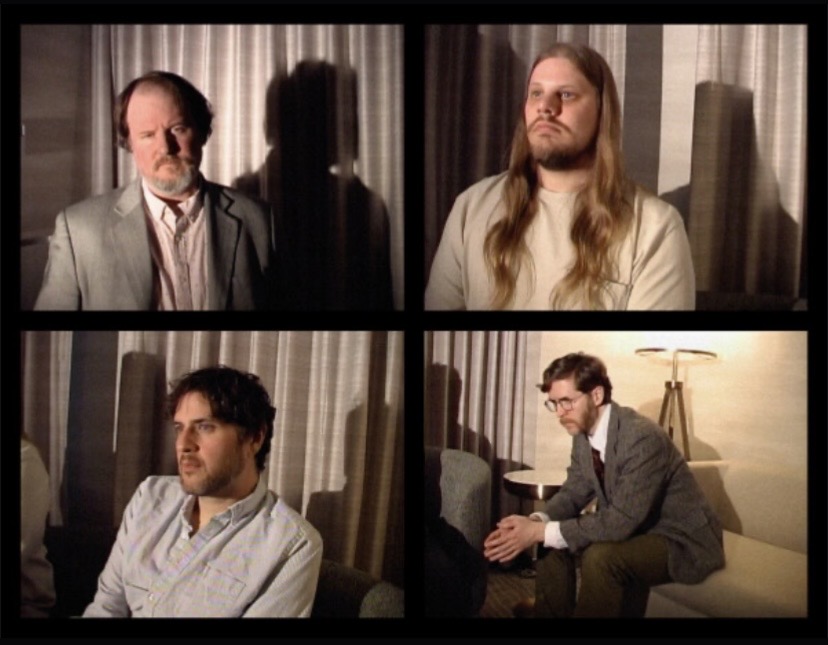
Detroit band “Protomartyr” are set to release their seventh album Hotel Usona on September 25th via longtime label “Domino,” and today the band have shared another new track off the album titled “Feed the Sewer,” and it’s a relentless takedown of AI. About the single, lead singer Joe Casey comments “The title comes from a line of dialogue in a Peter Greenaway movie. The sentiment of the song is that artificial intelligence is against humanity. The belief is that people are often willing to destroy the world in exchange for convenience. The lyrics are the usual mish-mash of political fears, personal grievances, literary references, and poop jokes. The music is very loud, like a data center.” The single also has an accompanying music video that features comedian Nate Varrone, who also appeared in the music video for the band’s previous single “Sounds We Cannot Hear.” About the video, director Andrew Theodore Balasia says, “Loneliness in the age of surveillance is the theme we explored for this video. The motel becomes a physical microcosm of data collection, each room a profile, each guest willingly paying to stay in a room that is being monitored by strangers. The banality of what’s being observed becomes its own source of unease, stripping away spectacle until all that remains is the dull, unsettling desire to connect with anything.” You can watch the music video for “Feed the Sewer,” as well as pre-order Hotel Usona below:
There was a point in time when “The Strokes” ruled the world. When the band released their debut album Is This It in 2001, it seemed as if the five boys from NYC appeared out of nowhere and were quickly on everyone’s radar whether they liked it or not. Music publications dubbed them the “saviors of rock,” and this prompted record labels to sign just about every Garage Rock-tinged band with “The” in their name. To quote Alex Turner of “Arctic Monkeys,” “I just wanted to be one of The Strokes.” We all wanted to be them. I know I did. I dressed like them, and even grew out my hair, and lucky for me, my hair is naturally curly, so I was walking around thinking I looked like Fabrizio Moretti. Though the band undoubtedly reaped the benefits of their newfound success, the pressure of being the “saviors of rock” inevitably took its toll. The band’s sophomore album Room on Fire also received acclaim, but it seemed as if the band were playing it safe by sticking to the formula that garnered them much success on their debut album, and playing it safe in a fickle music industry can only last so long. Aside from spawning some killer singles, their very bloated third album First Impressions of Earth flopped, and we didn’t hear anything new from the band for six years.
In 2011 the band made their triumphant return with their fourth album Angles. Well, maybe not so triumphant. The album’s reception was split between people who lauded the band’s departure from their early work, incorporating elements of New Wave and Synth Pop, and people who felt the album was disjointed due to the recording process in which singer Julian Casablancas recorded his vocals separate from the band. Their following album Comedown Machine received an even more lukewarm reception, and was the band’s most polarizing work, until now.
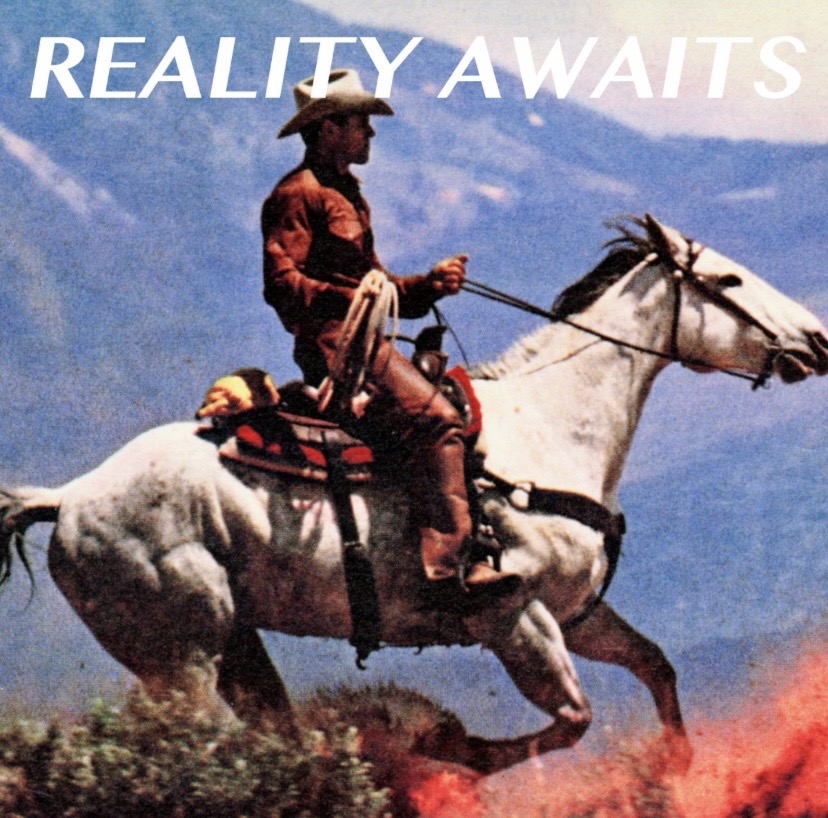
The band’s new album Reality Awaits is the new champion of polarization. This album is interesting, off-putting, at times catchy, at times grating, and utterly fascinating for the mere fact that some of the artistic choices made on the album are questionable, mainly Julian Casablancas’ overuse of autotune. Casablancas is no stranger to autotune. He has utilized it in a very creative way with his band “The Voidz,” but on Reality Awaits, it seems as if he’s intentionally trying to obliterate these tracks with the most hard to listen to autotune you’ve ever heard. Is this career suicide? Is this Julian telling us to never ask for a Strokes record again like some people online believe? I would think that myself if the instrumentation wasn’t so damn catchy and the lyrical content wasn’t so damn interesting, because aside from the overuse of autotune, which is unfortunately the only thing most people will take away from this record, there are some cool moments, which makes me believe Julian still has faith in “The Strokes.”
The album opens with “Psycho Shit,” a slow building epic that criticizes the current state of politics, modern warfare, world leaders, and celebrities who fail to use their platform to speak out against injustice, and though lyrically topical, the one thing that overpowers the rest of the song is, AUTOTUNE! When I first listened to this track with my family in the room it sounded so bad that my two year old daughter walked away from the speaker, and she’ll dance to the sounds of our fucking washing machine, but after repeated listens I grew accustomed to the autotune, which is the case for the rest of the album. However, being acclimated to this world where Julian sounds like a drunk “Daft Punk” doesn’t necessarily make this song sound better. Instead, the autotune robs us of a powerful vocal performance that could have complimented the intensity of the instrumentation. The autotune isn’t all bad though. It actually works quite well on the track “Lonely in the Future,” but the problem with this song is the God damn lyrics. This is the most bitter Julian has sounded. He disses artists like The Weeknd, Drake, and Harry Styles for copying his style, and instead of seeing the compliment that people being influenced by him is, he goes down the “I did it first” route, but the most embarrassing moment on this track is without a doubt his jab at music critic Anthony Fantano for simply having an opinion on his latest “Voidz” album. This isn’t the scathing diss Julian might have envisioned in his head. It’s just a sign of insecurity. The track “Going Shopping” becomes a catchy tune the more you listen to it, and is a fun critique of consumer culture. The same can be said for the track “Dine N Dash,” which criticizes our society that consumes resources while destroying the environment in the process, and though these are important topics to tackle, especially seeing as how AI is on its way to destroy us, the lyrical content doesn’t make up for how incredibly boring much of these songs are. The deeper you dive into this album, the more you start to realize the autotune isn’t the problem, the real problem is the drab nature of most of these tracks. This album has some good ideas, but most of these ideas are half-baked and have very little replay value.
Say what you will about the band’s divisive body of work, but you gotta admit that it’s impressive that they still have our attention after all these years. Every album release is an event, and we’re sure as Hell going to listen to anything they release, for better or for worse, and given the direction the band went in on this record, especially following their highly successful album The New Abnormal, it’s clear the band are still uncompromisingly doing whatever the Hell they want.
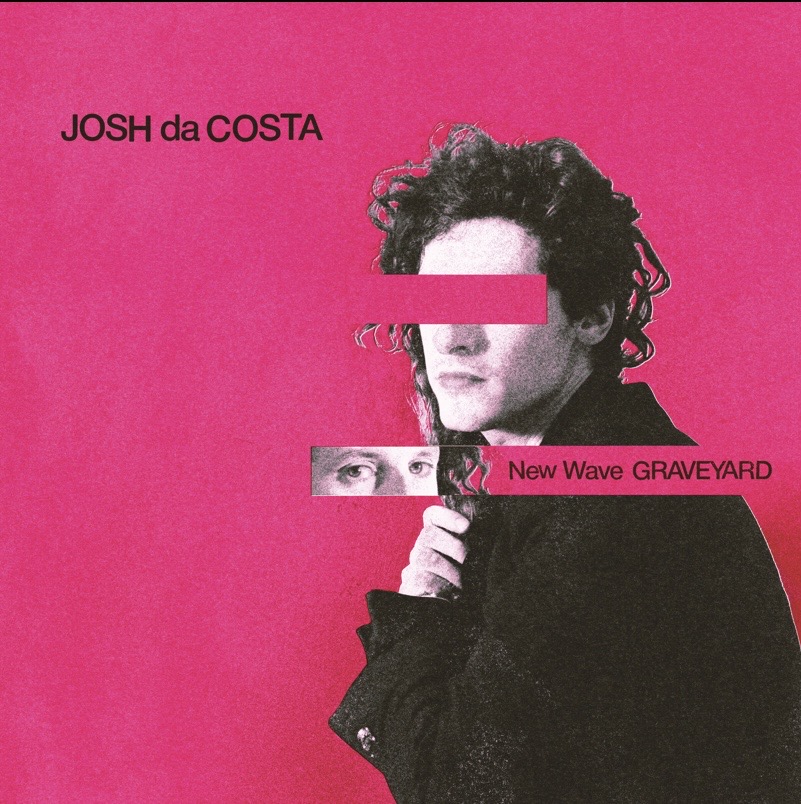
“Aside from being kind of a facetious way of describing my album, New Wave Graveyard is more of a reference to my perception of LA – the sort of hollowed out carcass of this shiny, new, and exciting future city as depicted in TV & Movies and pop culture in general throughout the entirety of my childhood,” says Josh da Costa about the title of his debut solo album for “Stones Throw Records.” Described as a “greatest hits from an alternate universe,” New Wave Graveyard is an apt title for an album filled with 80s-tinged bangers. I could say this music is anachronistic, but given the resurgence of 80s-styled media whether it be B-movie Horror sleaze, or the frequent use of synthesizers and punchy drum machines, (see just about every modern Darkwave band) New Wave Graveyard sounds as modern as it does nostalgic. However, this music isn’t just nostalgic, it’s more of a period piece, a natural continuation of 80s and 90s styles such as Synth-Pop, Post-Punk, Shoegaze, Jangle Pop, and Madchester adjacent Alternative Dance. This isn’t Josh’s first rodeo when it comes to showcasing what makes these genres so enticing. His former band “CMON” often flirted with these styles, but I feel like everything was leading up to this. New Wave Graveyard is by far his best work.
Opening with the track “Skygirl,” a song about falling in love, the listener is immediately teleported back in time to the early 90s. It’s familiar, but refreshing, and that’s what makes this album so damn good. Josh acknowledges the past all while creating his own distinct style. Everything from “Proving Me Right,” which sounds like if the “Bee Gees” made Shoegaze, to “Tissues,” which is his ode to depression and anxiety, to the danceable “Slip By,” a track that wouldn’t sound out of place on New Order’s Brotherhood, this album is varied, which perfectly nails the concept of a compilation of various hits composed by various artists from an alternate universe, but is cohesive at the same time. There’s a recurring dreamlike quality to this album, and that dreamy haziness is front and center on tracks like “Cordelia,” which is a tribute to both his girlfriend and his favorite record label of the same name, and the mysterious “96 Year Old Girl.” This album is a thoughtfully produced opus where no second is wasted.
New Wave Graveyard is a perfect example of how it’s possible to unapologetically wear your influences on your sleeve while staying true to your own distinct vision. I recently interviewed Josh da Costa via email, and in that interview he said he does plan on touring to promote this album, so I’m excited to see how these songs are translated live, and I’m excited to see what musical endeavor he embarks on next.
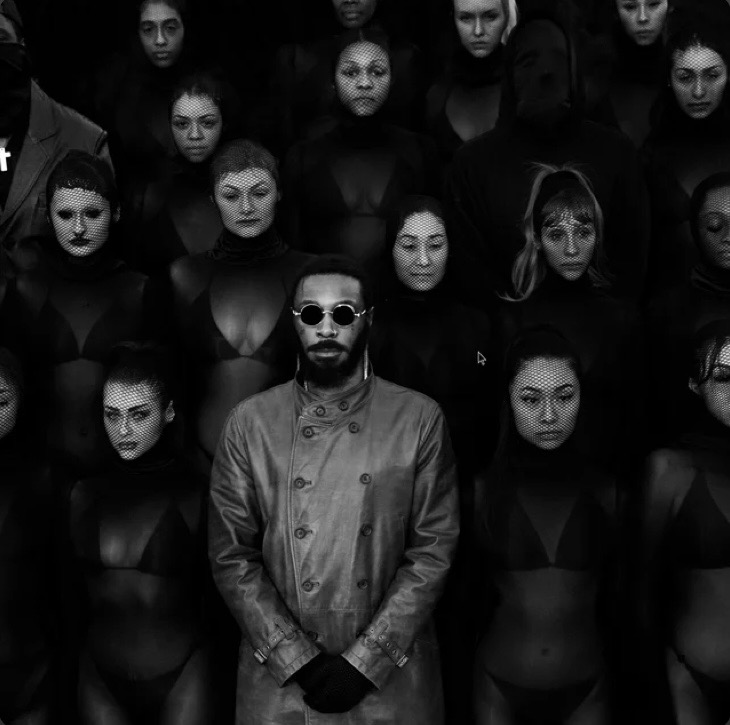
If JPEGMAFIA’s mission was to solidify his status as the torchbearer for Experimental Hip Hop with his new album Experimental Rap, then mission accomplished. In a world where the majority of current Hip Hop is stale and predictable, Peggy champions the idea of being different musically and pushing the envelope, but being six albums in now, his unconventional approach is to be expected, which deems his music predictable. However, that predictability isn’t necessarily a bad thing, because the music market isn’t exactly saturated with people making the same kind of discombobulating noisily radical music he makes, which makes him one of a kind. Peggy is aware of his status as the face of Experimental Hip Hop, and he embraces it, but that embracement is a detriment to this album. These songs sound more caught up in the idea of being experimental and unconventional to the point where much of the interesting instrumental ideas sound unfinished and not fully fleshed out. It’s just a bunch of ideas thrown together to sound as abrasive as possible, and normally that sort of thing sounds incredibly innovative in Peggy’s music, but unfortunately this comes across as a gimmick at this point. A lot of songs have an underwhelming beat switch, Brostep elements that are 15 years too late, and the same rapid-fire flow in damn near every song which gets boring very quickly. Which is a shame because there was a time when every word Peggy spit cut like a knife and you truly felt the aggression, jabs at internet culture, and shots at racist conservatives and performative liberals alike. Those lyrical themes have not left his music, but they unfortunately take a back seat to overly messy directionless instrumentals. JPEGMAFIA is capable of creating some truly inspired and unique music, but when the alternative to predictable music becomes predictable itself, then it’s time to switch things up.
Following her superb 2020 album What’s Your Pleasure?, singer/songwriter Jessie Ware has maintained a consistent sound that celebrates the many forms of Disco. Post-disco, Italo Disco, Funk, Nu-Disco, you name it, she’s done it, and though this risk-free approach of staying in the lane that has garnered her much success can feel a bit safe, she’s still crafting catchy tunes just begging to be played on the dance floor. These songs tackle themes such as sensuality, sexuality, and the yearning for connection and touch. In other words, this music is horny, but what I’ve always liked about Ware’s music is that it’s a sophisticated kind of horny, as opposed to some of the more vulgar horny music out there. Her music is a positive all-inclusive celebration of feeling good. Her new album Superbloom continues down that trajectory, but this time around leans heavily into the 70’s Disco she flirted with on her previous album That! Feels Good! However, the album suffers with the same issue That! Feels Good! had, and that issue is that the album falters a bit toward the end, with some tracks being a slog to get through, but that issue is excusable considering the BANGERS this album has. “Ride” is a sexed-up cowboy Disco track that interpolates Ennio Morricone’s “The Good, The Bad and The Ugly,” “I Could Get Used To This” is a smooth feel good introduction to the album, and “Sauna” scratches that Italo Disco itch. Jessie Ware is pretty good at this Disco stuff. Moving forward, I would like her to experiment a bit more and take more risks musically, but with this album it’s evident there’s much life left in her Disco era, despite its predictability. If it ain’t broke, don’t fix it.



 MELT REVIEWS