Protomartyr Share New Single “Feed the Sewer”

Photo: Trevor Naud

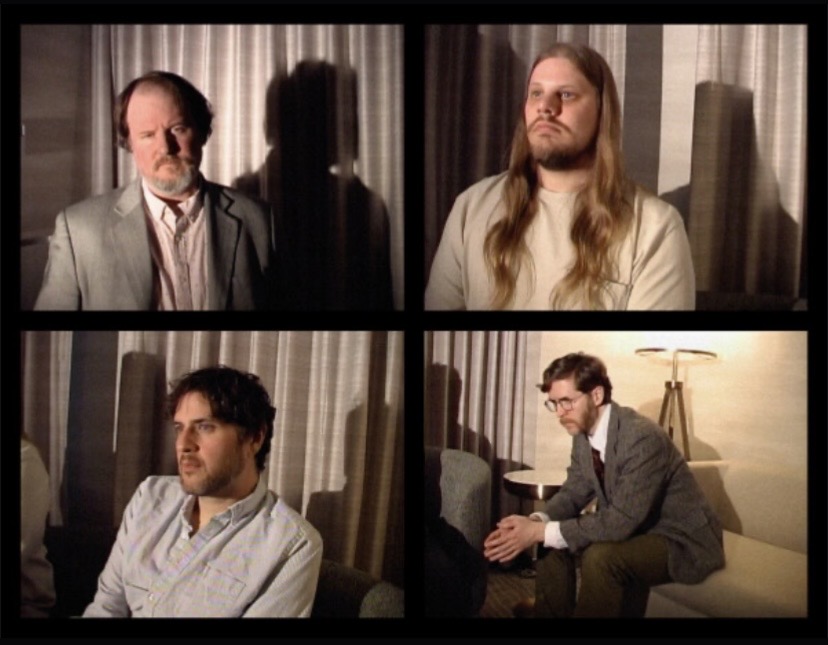
Detroit band “Protomartyr” are set to release their seventh album Hotel Usona on September 25th via longtime label “Domino,” and today the band have shared another new track off the album titled “Feed the Sewer,” and it’s a relentless takedown of AI. About the single, lead singer Joe Casey comments “The title comes from a line of dialogue in a Peter Greenaway movie. The sentiment of the song is that artificial intelligence is against humanity. The belief is that people are often willing to destroy the world in exchange for convenience. The lyrics are the usual mish-mash of political fears, personal grievances, literary references, and poop jokes. The music is very loud, like a data center.” The single also has an accompanying music video that features comedian Nate Varrone, who also appeared in the music video for the band’s previous single “Sounds We Cannot Hear.” About the video, director Andrew Theodore Balasia says, “Loneliness in the age of surveillance is the theme we explored for this video. The motel becomes a physical microcosm of data collection, each room a profile, each guest willingly paying to stay in a room that is being monitored by strangers. The banality of what’s being observed becomes its own source of unease, stripping away spectacle until all that remains is the dull, unsettling desire to connect with anything.” You can watch the music video for “Feed the Sewer,” as well as pre-order Hotel Usona below:

Hotel Usona Pre-order: https://protomartyr.bandcamp.com/album/hotel-usona

Album Review: The Strokes – Reality Awaits

Rating: 6/10

There was a point in time when “The Strokes” ruled the world. When the band released their debut album Is This It in 2001, it seemed as if the five boys from NYC appeared out of nowhere and were quickly on everyone’s radar whether they liked it or not. Music publications dubbed them the “saviors of rock,” and this prompted record labels to sign just about every Garage Rock-tinged band with “The” in their name. To quote Alex Turner of “Arctic Monkeys,” “I just wanted to be one of The Strokes.” We all wanted to be them. I know I did. I dressed like them, and even grew out my hair, and lucky for me, my hair is naturally curly, so I was walking around thinking I looked like Fabrizio Moretti. Though the band undoubtedly reaped the benefits of their newfound success, the pressure of being the “saviors of rock” inevitably took its toll. The band’s sophomore album Room on Fire also received acclaim, but it seemed as if the band were playing it safe by sticking to the formula that garnered them much success on their debut album, and playing it safe in a fickle music industry can only last so long. Aside from spawning some killer singles, their very bloated third album First Impressions of Earth flopped, and we didn’t hear anything new from the band for six years. 


In 2011 the band made their triumphant return with their fourth album Angles. Well, maybe not so triumphant. The album’s reception was split between people who lauded the band’s departure from their early work, incorporating elements of New Wave and Synth Pop, and people who felt the album was disjointed due to the recording process in which singer Julian Casablancas recorded his vocals separate from the band. Their following album Comedown Machine received an even more lukewarm reception, and was the band’s most polarizing work, until now. 


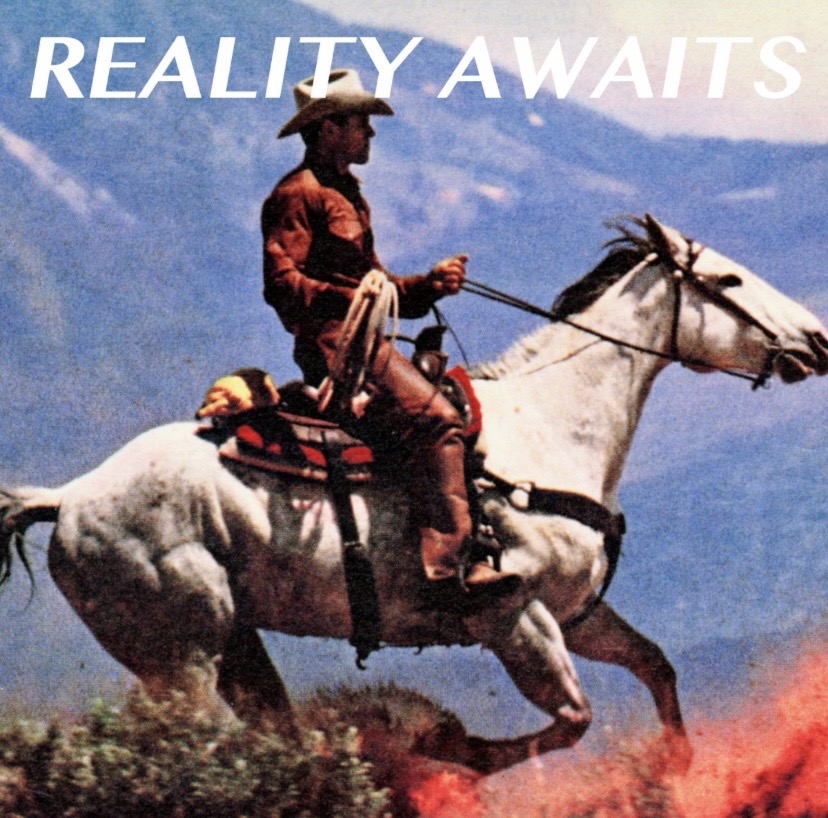
The band’s new album Reality Awaits is the new champion of polarization. This album is interesting, off-putting, at times catchy, at times grating, and utterly fascinating for the mere fact that some of the artistic choices made on the album are questionable, mainly Julian Casablancas’ overuse of autotune. Casablancas is no stranger to autotune. He has utilized it in a very creative way with his band “The Voidz,” but on Reality Awaits, it seems as if he’s intentionally trying to obliterate these tracks with the most hard to listen to autotune you’ve ever heard. Is this career suicide? Is this Julian telling us to never ask for a Strokes record again like some people online believe? I would think that myself if the instrumentation wasn’t so damn catchy and the lyrical content wasn’t so damn interesting, because aside from the overuse of autotune, which is unfortunately the only thing most people will take away from this record, there are some cool moments, which makes me believe Julian still has faith in “The Strokes.” 

The album opens with “Psycho Shit,” a slow building epic that criticizes the current state of politics, modern warfare, world leaders, and celebrities who fail to use their platform to speak out against injustice, and though lyrically topical, the one thing that overpowers the rest of the song is, AUTOTUNE! When I first listened to this track with my family in the room it sounded so bad that my two year old daughter walked away from the speaker, and she’ll dance to the sounds of our fucking washing machine, but after repeated listens I grew accustomed to the autotune, which is the case for the rest of the album. However, being acclimated to this world where Julian sounds like a drunk “Daft Punk” doesn’t necessarily make this song sound better. Instead, the autotune robs us of a powerful vocal performance that could have complimented the intensity of the instrumentation. The autotune isn’t all bad though. It actually works quite well on the track “Lonely in the Future,” but the problem with this song is the God damn lyrics. This is the most bitter Julian has sounded. He disses artists like The Weeknd, Drake, and Harry Styles for copying his style, and instead of seeing the compliment that people being influenced by him is, he goes down the “I did it first” route, but the most embarrassing moment on this track is without a doubt his jab at music critic Anthony Fantano for simply having an opinion on his latest “Voidz” album. This isn’t the scathing diss Julian might have envisioned in his head. It’s just a sign of insecurity. The track “Going Shopping” becomes a catchy tune the more you listen to it, and is a fun critique of consumer culture. The same can be said for the track “Dine N Dash,” which criticizes our society that consumes resources while destroying the environment in the process, and though these are important topics to tackle, especially seeing as how AI is on its way to destroy us, the lyrical content doesn’t make up for how incredibly boring much of these songs are. The deeper you dive into this album, the more you start to realize the autotune isn’t the problem, the real problem is the drab nature of most of these tracks. This album has some good ideas, but most of these ideas are half-baked and have very little replay value.


Say what you will about the band’s divisive body of work, but you gotta admit that it’s impressive that they still have our attention after all these years. Every album release is an event, and we’re sure as Hell going to listen to anything they release, for better or for worse, and given the direction the band went in on this record, especially following their highly successful album The New Abnormal, it’s clear the band are still uncompromisingly doing whatever the Hell they want. 

Written By: Steven Sandoval

Album Review: Josh da Costa – New Wave Graveyard

Rating: 8/10

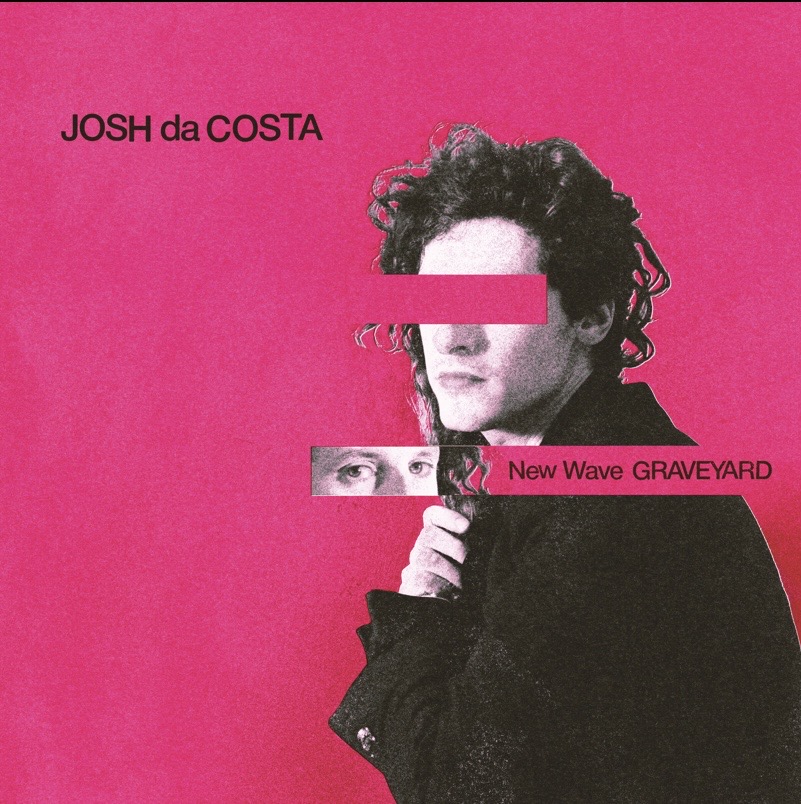
“Aside from being kind of a facetious way of describing my album, New Wave Graveyard is more of a reference to my perception of LA – the sort of hollowed out carcass of this shiny, new, and exciting future city as depicted in TV & Movies and pop culture in general throughout the entirety of my childhood,” says Josh da Costa about the title of his debut solo album for “Stones Throw Records.” Described as a “greatest hits from an alternate universe,” New Wave Graveyard is an apt title for an album filled with 80s-tinged bangers. I could say this music is anachronistic, but given the resurgence of 80s-styled media whether it be B-movie Horror sleaze, or the frequent use of synthesizers and punchy drum machines, (see just about every modern Darkwave band) New Wave Graveyard sounds as modern as it does nostalgic. However, this music isn’t just nostalgic, it’s more of a period piece, a natural continuation of 80s and 90s styles such as Synth-Pop, Post-Punk, Shoegaze, Jangle Pop, and Madchester adjacent Alternative Dance. This isn’t Josh’s first rodeo when it comes to showcasing what makes these genres so enticing. His former band “CMON” often flirted with these styles, but I feel like everything was leading up to this. New Wave Graveyard is by far his best work. 


Opening with the track “Skygirl,” a song about falling in love, the listener is immediately teleported back in time to the early 90s. It’s familiar, but refreshing, and that’s what makes this album so damn good. Josh acknowledges the past all while creating his own distinct style. Everything from “Proving Me Right,” which sounds like if the “Bee Gees” made Shoegaze, to “Tissues,” which is his ode to depression and anxiety, to the danceable “Slip By,” a track that wouldn’t sound out of place on New Order’s Brotherhood, this album is varied, which perfectly nails the concept of a compilation of various hits composed by various artists from an alternate universe, but is cohesive at the same time. There’s a recurring dreamlike quality to this album, and that dreamy haziness is front and center on tracks like “Cordelia,” which is a tribute to both his girlfriend and his favorite record label of the same name, and the mysterious “96 Year Old Girl.” This album is a thoughtfully produced opus where no second is wasted. 

New Wave Graveyard is a perfect example of how it’s possible to unapologetically wear your influences on your sleeve while staying true to your own distinct vision. I recently interviewed Josh da Costa via email, and in that interview he said he does plan on touring to promote this album, so I’m excited to see how these songs are translated live, and I’m excited to see what musical endeavor he embarks on next. 


Written By: Steven Sandoval

Josh da Costa Interview: https://meltreviewssite.com/2026/07/14/josh-da-costa-interview/

Josh da Costa Interview

Photo: Tonje Thilesen

I first became aware of Los Angeles-based musician Josh da Costa back in 2018. It was a year when I went through a lot of life changes, and it was my third year of running “MELT Reviews.” I fully immersed myself in music and live shows that year. I would take the Amtrak from Hanford, CA to Bakersfield, then take the bus all the way to L.A. for numerous shows. One of these shows was Geneva Jacuzzi at “The Echo,” which was a fantastic show, but one of the opening bands that really blew me away was CMON (Confusing Mix of Nations.) Their blend of New Wave, Post-Punk, Electronic, and Neo-Psychedelia was irresistible, and all of these very pleasing sounds were coming from only two people, Josh da Costa and Jamen Whitelock. I instantly became a fan. Fast-forward two years to 2020 and “CMON” now have a debut full-length album out. However, 2020 was, well, 2020. The pandemic derailed every band’s tour schedule, including “CMON,” and Josh da Costa also went through a lot of life changes, which prompted him to revisit music from his adolescence and “get deep into some of the gear I’d had lying around for years but overlooked.” Over the following years Josh DJed around LA, shared a myriad of underground tracks on his “Confusing Mix” show on “NTS Radio,” and performed with various bands including Drugdealer, MGMT, and Jessica Pratt, and during this time he began writing and recording his debut solo album New Wave Graveyard, which is set to be released on July 24th via “Stones Throw Records.” I had the opportunity to interview Josh about his upcoming record via email, and he gave me some very in-depth answers regarding his creative process, what inspired the record, being signed to Stones Throw, and much more. 

Steven Sandoval: I want to start this off by saying I love the new record. I think it’s a perfect amalgamation of everything that makes 80s and 90s music so enticing. It’s varied, but cohesive and features a distinct sound that’s very much your own, as opposed to being a complete emulation of certain bands or styles. You’ve described this album as a “greatest hits from a parallel universe, classic songs from an alternate reality.” Can you elaborate on that? Are their specific bands or genres of music that inspired you while recording this album? 

Josh da Costa: As you so eloquently put it, I’d like to think it’s an”amalgamation of everything that makes 80s and 90s music so enticing”. That’s pretty much my area of interest, or rather my obsession.

Steven Sandoval: Did you play all of the instruments on this album? 

Josh da Costa: With the exception of Daryl Johns who played bass on “Tissues” and some programming assistance from Jamen Whitelock, yes I played all of the instruments on this album.

Steven Sandoval: Do you plan on touring to promote this album? 

Josh da Costa: Yes!

Steven Sandoval: This is your first album since signing with “Stones Throw Records,” which celebrates its 30th anniversary this year, and has released some iconic albums, Madvillainy being one of them, which is one of my favorite Hip Hop albums. How did you get signed to Stones Throw, and how has your experience with them been thus far? 

Josh da Costa: I had been working on a bunch of songs for a good few years and was looking to find them a home. I sent Peanut Butter Wolf a folder of about 20-25 songs and to my delight he agreed to release them. I’ve known Wolf for a while now through my involvement in the LA weirdo indie music scene and also through DJing at his bar the Gold Line which is in our sort of shared neighborhood of Highland Park. It felt like a very local connection that I wanted to try and honor if possible.

Steven Sandoval: The album’s opening track “Skygirl” is a banger and reminds me of bands like “The Stone Roses” and “The Charlatans,” which brings to mind the Madchester scene of the late 80s – early 90s. Were these bands an inspiration, and can you tell us what this song is about? 

Josh da Costa: Yes, those bands and that scene / sound was the biggest inspiration on “Skygirl.” That song is about falling in love, plain and simple.


Steven Sandoval: The track “Tissues” is an ode to anxiety and depression, two things a lot of us know too well, and you lyrically nailed the feeling of living with these things perfectly. If you don’t mind me asking, are these things you too live with, and if so, how do you control them amongst touring, making music and being surrounded by large groups of people? 

Josh da Costa: Yeah I live with those things but I wouldn’t say to a crippling extent, for which I am grateful. However that song had been kicking around my mind for years without any real lyrics and one day I was like OK I *have* to finish “Tissues.” So I set out to write it properly and when it came time I think I was in the mood to try and embody the feeling that the music was conjuring inside of me, which spoke to that part of my emotional makeup. Because those feelings are definitely in there and in certain moments or phases of my life I can succumb to them for sure. It can be pretty harrowing when they kick in, for instance, on tour because being on tour can put you in a pretty existential state and depending on the touring party, can be quite uncomfortable. But to be honest, tour sometimes is a convenient escape from the woes of daily life at home, which can also be pretty existential I guess, except you’re not distracted by tons of people and you’re not keeping busy, moving from place to place- you’re just at home. And I typically work from home – as a matter of fact most of the songs on this record were recorded at home – so to have to be able to stay focused and motivated when surrounded by your daily reality at home can be a little challenging, especially if depresh’ and anx’ are rearing their ugly little heads. How I control them? Not totally sure I do other than sticking to a loose routine that usually consists of me going to the same café every day and ordering the same iced cappuccino and then bugging my friend at his shop around the corner for a little chat – socializing and being around people is kind of my drug of choice. Classic extrovert shit I suppose. Nuzzling up against my cat Thomas helps. Going for walks or drives with my girlfriend and coming home to watch some X-Files before bedtime is just what the doctor ordered. I used to love going to record stores but sometimes those actually make me more sad. Can’t explain it but sometimes it just feels heavy.

Steven Sandoval: “96 Year Old Girl” is one of my favorite tracks off the album. I read that it was written one night “after getting really high, ordering Dominos, and watching Terminator 2, and reckons with not feeling seen by a loved one. Can you tell us more about that? 

Josh da Costa: I mean that’s pretty much the story right there. That song is special to me – I think it definitely achieves something that I admire in other songs which is that it sorta defies genre or conventional structure but still manages to flow nicely and evoke something mysterious. Mystery or intrigue is a really hard thing to manufacture but I think I kinda bottled some of that with this one by illustrating some kind of a scene and some kind of a person. Like who is she? And then the chorus has a different perspective since I’m not addressing the 96-year old girl but addressing “you”. So it has some funny shifts and quirked up imagery that I think gives people something to think about and the textures are cool too. But all of that came about by experimenting after having had a lot of time and space to digest lots of ideas and melodies and then when I had a window to myself one night, I kicked back, relaxed with some’za and some T2, and felt inspired so l went for it.

Steven Sandoval: “Cordelia” is such a luscious and dreamy track. Who exactly is Cordelia? 

Josh da Costa: Cordelia is my girlfriend. But at the time, Cordelia was just my roommate. I met Cordelia outside of a show one night after my house had recently burned down and I was looking for a new place to live. She had just moved to town and needed a roommate so I threw my name in the hat. She graciously accepted me and I felt so honored that I wanted to pay tribute in a song. The plot eventually thickened, but I’ll leave it at that. I was also inspired by the record label “Cordelia Records” and figured it would be a great way to pay homage to both this special person and this special label.


Steven Sandoval: The album is titled New Wave Graveyard. What inspired the name? 

Josh da Costa: My friend Douglas Mcgowan inspired the name, which I had actually inspired him to say out loud one day by proposing a compilation of fairly obscure 80s songs that I was fixated on at the time. I thought it had a nice ring to it and I sorta put it in my back pocket. Eventually I felt like it applied nicely to my album.

Steven Sandoval: You’ve lived in Los Angeles for awhile now right? How much of an impact does it have on your music, and has it changed at all since you first moved there? 

Josh da Costa: I’ve lived in LA for over a decade and its had a profound impact on my music. In fact, I feel like aside from being kind of a facetious way of describing my album, New Wave Graveyard is more of a reference to my perception of LA – the sort of hollowed out carcass of this shiny, new, and exciting future city as depicted in TV & Movies and pop culture in general throughout the entirety of my childhood. It has changed though, and what used to be a little grimier and sketchier now feels a little more safe and sanitized. Of course, that is a mixed bag, and not really a can of worms I care to open but let’s just say if I were to say I miss the old days, I am sure someone else would be quick to point out that by the time I got here it had already changed a lot anyway.

Steven Sandoval: You’ve also played drums for various bands including “Drugdealer” and “MGMT.” How does being behind the drum kit differ from recording solo material? 

Josh da Costa: It differs in many ways but ironically the way in which it differs the most for me is that I am pretty unfussy with drumming on my own material because I know that there is so much other work to be done that I try to spend as little time on the drum performances as possible. I inevitably end up editing the hell out of them anyway, so maybe that’s foolish, and maybe I should put a little more effort into exploring my drumming abilities on my own songs but I think I just need there to be something solid and predictable so I can just get cookin on the other parts I need to lay down.

Steven Sandoval: I’ve listened to your “Confusing Mix” show on “NTS Radio,” and I’m very impressed with how deep your knowledge goes when it comes to underground and obscure music. How do you discover these artists, and just how big is your record collection? 

Josh da Costa: I discover music primarily through three different channels – through friends, through going to record shops and digging, and through youtube. Occasionally the algorithm will surprise me but not too often. My record collection used to be bigger but it’s still fairly chunky. I haven’t counted in a while but it’s .. something.

Steven Sandoval: Any chance we’ll hear new “CMON” music in the future? 

Josh da Costa: It’s anyone’s guess as far as new “CMON” goes. Jamen and I stopped working together in 2020 and briefly jammed again a couple of years later. The last time we got together to make music felt super organic and inspired and even though it sounded completely different from what “CMON” sounded like it sounded extremely true to our shared musical vision. So even if we were to produce more music together, it’s likely that it wouldn’t sound like anything we’ve done before.

Josh da Costa’s new album New Wave Graveyard drops July 24th via “Stones Throw Records.”

Pre-order: https://joshdacosta.bandcamp.com/album/new-wave-graveyard

Mazmere Releases New E.P. “David”


England-based artist Jake Sinetos’ last release under his “Mazmere” project dropped 6 years ago. It was an E.P. titled Mbjdebnrbm, and it was an uncompromising release that tackled such topics as mental illness and recovery, while the instrumentation featured noise-driven Post-Punk that perfectly provided a backdrop for the unsettling but honest lyrical themes. Now, “Mazmere” has returned with a new E.P. titled David. This one is very personal. This release is about his cousin David who has passed away, and it’s a touching tribute. “I’ve worked on the song on and off since he died a few years ago, never really feeling I’d got it where it needed to be. Every time I thought it was finished, I’d end up pulling it apart again. This version is the closest I’ve come to getting it right. The track was produced by H.A. Eugene of Brooklyn glitch duo Business 80, whose ideas and patience helped shape it into what it eventually became. It also features beautiful acoustic guitar and bass from Amyas Varcoe and electric guitar from Ian Evans, both of whom brought something special to the recording.” This release also features the track “I Can’t Hear You,” and it’s an Avant-garde wall of sound that’s as soothing as it is discombobulating. “Run” is a live track that features Rob James on drums, who has sadly passed, and it provides a glimpse into what Mazmere’s live shows must be like. This release closes with a remix of “David,” which is a beautifully bizarre reimagining that is both dreamy and nightmarish. According to Sinetos, he hadn’t planned on releasing these songs together, but upon realizing they’re all connected to the same thing, it just felt right. It’s a beautiful tribute to those who are no longer with us, and that’s something we can all relate to.

Listen to “David” here: https://mazmere.bandcamp.com/album/david

Album Review: Downtown Boys – Public Luxury

Rating: 7/10

It’s been 9 years since the last “Downtown Boys” album Cost of Living was released, and 11 years since the band released their groundbreaking debut Full Communism, an album that made waves in the Punk scene and rallied against capitalism, sexism, homophobia, and exploitative labor conditions. That’s right, they’re as Punk as Punk gets, and 11 years later these things are still being fought by those who are tired of oppression, so a new “Downtown Boys” album is completely necessary. Their new album is titled Public Luxury, and according to the band, the title means “everything for everyone,” reminding us that we as the people have the power, and in a time where things seem hopeless for many of us, it’s important for artists to provide a sense of beauty and hope to prevent us from falling down the rabbit hole of nihilism. Musically this album is business as usual, which isn’t a bad thing by any means. Lead singer Victoria Marie’s raucous bilingual vocals that jump from Spanish to English are as sharp as ever and bring to mind Punk legends like Poly Styrene or Kathleen Hanna, the music still features frantic guitars and saxophone lines, but this is the most polished the band have sounded, without sacrificing the band’s signature rawness. However, there are some tracks on this album that depart from their usual sound a bit, and these tracks are where the band sound truly rejuvenated. “Yellow Sun” is a New Wave-tinged vibraphone-filled track that has a bit of a Post-Punk Revival sound, “You’re a Ghost” is a hard-hitting Industrial track that speaks out against ICE, and the album’s closing title track features a dreamy mix of synths and piano, creating ethereal atmospherics that reflect the optimistic theme of the lyrics. Though the band have solidified their status as Punk’s most relevant and exciting acts, I hope they continue to experiment like this in the future, because I feel like this is a natural progression for the band. A lot of us identify with the band and their anger toward all the things that keep us oppressed, but it’s hard to stay optimistic in these dire times, but the band’s message of hope is refreshing and we need more protest music like this that has a perfect balance of pointing out corruption and hopeful optimism. 

Written By: Steven Sandoval


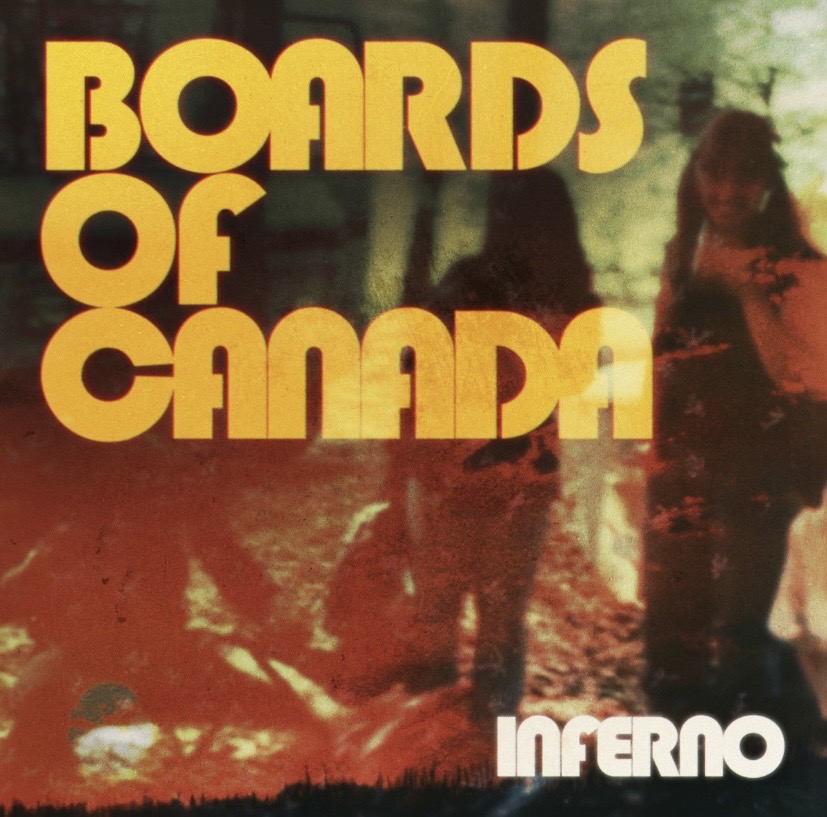
Album Review: Boards of Canada – Inferno

Rating: 9/10

Boards of Canada having a large gap in between albums isn’t exactly out of the ordinary, but 13 years? That’s a long time. A lot of us were starting to wonder if we were going to hear from the Scottish duo again, and if so, would it be necessary? Do we need a new Boards of Canada album? Considering their impressive discography of music laced with nostalgia, soaked in retro synths, and rich in ambient atmospherics, the two already have an iconic body of work under their belts. The already mysterious and reclusive duo could have disappeared from the music world completely, which would have added to their mystique, and even though most of us would want to hear new music from the two, this would have been a fitting bow out, but 13 years after their album Tomorrow’s Harvest, it’s evident the duo have more to give, and my God they’ve gifted us with one of their most captivating, hypnotic, and thematically dense albums yet. The album is titled Inferno, and opens with the track “Introit,” which takes its name from the opening of a worship service that’s usually a psalm, hymn, or chant, and the familiar synth arpeggio featured on the track immediately transports us to a world we’ve missed. I liken it to the feeling I had when I saw the opening crawl to Star Wars: The Force Awakens in theaters, but unlike The Force Awakens, what follows this intro is enthralling content. After the familiar sound in “Introit” fades away, we’re immediately introduced to a reinvented Boards of Canada. Sure their signature style is still there, but that sense of childlike wonder and dreamy Retro-futurism takes a back seat while eerie soundscapes, moodiness, and haunting vocal samples are front and center, and I mean it when I say these vocal samples are haunting. Packed with themes such as religion, religious cults, existentialism, and biology, this album perfectly utilizes vocal samples taken from documentaries about the effects of PCP, a conversation between a father and his son who has cut off his entire family to join the “Children of God” cult, Aleister Crowley quotes, a documentary about the development of a chicken embryo, and references to Nostradamus, and this all perfectly gets the duo’s point across without them having to say a word. However, is their point really that clear? Sure they want us to take something away from this album, or else they wouldn’t have made this thing so dense, but I’ve seen countless heady reviews of this album from people claiming with certainty that this album is a critique of religion and religious cult leaders who prey on the vulnerable, or that this is their way of commenting on how our uncertainty on the meaning of life and why we’re here has spawned so many philosophers and religions who try to give us answers on why we’re here and what happens after we die, and the dangers that come with certain religions, and though this is likely what they’re getting at, there’s one thing a lot of people are neglecting to mention when describing this album, and that’s nostalgia. Nostalgia is a word often associated with Boards of Canada. From the children’s TV show and speak and spell samples on Music Has the Right to Children, to the capturing of the feeling you get when you watch your favorite video nasty on Tomorrow’s Harvest, it’s been very clear that retro media has made a lasting impact on the duo, and contrary to popular belief, I don’t think that nostalgia is absent on Inferno. Remember those televangelists your grandparents used to watch? Those frightening red-faced crazy-eyed men who would yell at you through the TV screen? Remember those old documentaries about morbid cult tragedies? Remember all the history we’ve learned about violence and unnecessary wars that were brought on by fundamental religious beliefs? Remember satanic panic? These are all things that are engraved in the history of humanity, and one of the most popular mediums used to teach this history is media, so I don’t think it’s a stretch to say the boys from BOC have nostalgia for these things. That love for retro media is perfectly combined with the overall themes of this record. There’s no telling if there’s going to be another Boards of Canada record after this one, and when that’ll be if there is, but if this is their final album it’s an interesting album to end on, considering it’s their darkest work by far. Maybe that’s where they’re at mentally when viewing the current state of the world, because these are truly frightening times. Christian fundamentalists and conspiracy theorists are currently in the White House, educational programming has been replaced with short-form content online spreading misinformation, and all of these current wars have left many of us anxious and frightened, so it’s no surprise that an album like this would be released in this day and age, but a common theme that prevents this album from being complete doom and gloom is the theme of life itself. From the EKG machine sounds on “Memory Death,” to the heartbeat on the closing track “I Saw Through Platonia,” the preciousness of life is beautifully symbolized, and this reminds us to value life while we can, and though it may seem impossible at times, it’s important to find beauty in the chaos. 

Written By: Steven Sandoval

Album Review: Portrayal of Guilt – …Beginning of the End

Rating: 8/10

It’s nice seeing barriers being broken in the current Metal community thanks to younger bands daring to blend differing genres and incorporate outside influences. Along with this forward thinking approach, comes the re-evaluation of a genre like Nu-Metal, particularly “Korn.” There was a time when liking a band like Korn was considered uncool amongst Metal elitists. Even during the bands chart-topping glory, there were those who dismissed the band and simply believed they were not “real Metal.” Now, we have a whole generation of young Metal fans who reject rigid views and gatekeeping, and it’s glorious. Korn’s influence is now celebrated and referenced sonically in the music of bands like “Chat Pile,” “Code Orange,” and Austin, Texas band “Portrayal of Guilt.” Fearlessly blending genres such as Screamo, Black Metal, Sludge Metal, Emoviolence and Noise Rock, Portrayal of Guilt have been gifting us abrasive and chaotic music rich in tumultuous blast beats, sludgy guitar riffs, heavily distorted bass, and shrieking vocals since 2017, and yet, with their distinct sound established, the band still manages to reinvent themselves with every album, which prevents their sound from slipping into monotony. On their new album …Beginning of the End, the band find themselves reinventing their sound once again, incorporating just the right amount of genres such as Nu-Metal, Trip Hop, and Industrial, to create more cinematically bleak soundscapes that echo some of the best 90’s gems like “Nine Inch Nails” or the “Spawn” soundtrack. Seriously, the track “Ecstasy” sounds like the band went back in time to 1997 to collab with “The Dust Brothers.” The track “Chamber of Misery Pt. IV” features a Trap-style verse from rapper Slim Guerilla, and “God Will Never Hear Me” is a slow but brooding track with a nightmarish ambience, which perfectly executes an unpredictable, but very “Portrayal of Guilt” experience, and that’s what makes this album work so well. The band never fully emulates a specific genre, but instead mixes various genres not often associated with the band, all while maintaining their usual harsh sound. Now, where does Korn come into play with all of this? Well, Portrayal of Guilt’s vocalist/guitarist Matt King has been very vocal about his love for Korn, and …Beginning of the End can be considered a continuation of the unique and innovative sound of those early Korn records. I mean, let’s face it, aside from a handful of good Nu-Metal bands that left a revolutionary mark on the genre, Korn unintentionally inspired A LOT of really bad imitators in the 90’s and early 2000’s, but in an alternate universe where more good than bad came from Korn’s mark, …Beginning of the End is the natural progression of what Korn pioneered. Oh why couldn’t we hear this stuff instead of “Last Resort” back in the late 90’s? Better 32 years late than never I guess. Whether it be the early Blackened Hardcore of Portrayal of Guilt’s early records, the Gothic-tinged sludge of Christfucker, or this new direction of Nu-Metal combined with Hellish Black Metal, it is certain that Portrayal of Guilt will continue to make whatever the Hell they feel like making, and the band happen to be very good at it. 

Written By: Steven Sandoval

Album Review: Eaves Wilder – Little Miss Sunshine

Rating: 8/10

Being a musician trying to make it in this day and age can be a discouraging process. The internet is so over saturated with countless artists trying to get their music out there that it’s easy for one’s music to slip through the cracks. I can attest to that, I’m a musician with 2 monthly listeners on Spotify. This can be disheartening, but the best thing to do is to just keep going. London musician Eaves Wilder experienced this at a very young age. Following the release of her 2023 E.P. Hookey, she considered quitting music altogether, so she stepped back and waited until she found her voice to begin making music again. Now, after a period of writer’s block and an existential crisis, Wilder has returned with her long-awaited debut album Little Miss Sunshine. This album is a prime example of why you shouldn’t rush creativity, because you can tell there was much time and effort put into it. Being more true to herself and her personal music influences, as opposed to succumbing to the pressure of making a hit, Wilder crafts a perfect amalgamation of guitar-driven Alternative Rock, Power Pop melodies, and lush vocals, and this album uncompromisingly drives us through her vulnerability, but all while maintaining a powerful feminist spirit. The track “Just Say No!” highlights the importance of setting boundaries to protect oneself from being taken advantage of, “Mountain Sized” is a self-reflective track that finds Wilder questioning her role or purpose as she tries to navigate young adulthood, and “Ropeburn” is about cutting off toxic people and re-evaluating personal relationships, which all leads to an introspective experience that can resonate with just about anyone, but if this album has an anthem that perfectly summarizes the entire record, it most certainly would be “Everybody Talks.” I haven’t heard a song that perfectly captures the feeling of wanting everyone to shut the fuck up like this one in a very long time, and in a world where people are constantly spewing out their unprovoked opinions and arguing online, this is an important track to hear. It can also be an anthem for introverts. This song takes me back to that lost feeling I had when I was a young introvert trying to navigate life in a society that favors the extroverted. Themes such as these are what makes good genuine music, and if you have the songwriting ability to back it up like Wilder has, your music will move a lot of people. Little Miss Sunshine is an astonishing debut that will resonate with many. 

Written By: Steven Sandoval

Album Review: Katie Alice Greer – Perfect Woman Sound Machine, Vol. 1

Rating: 8/10

About 4 years ago vocalist/producer Katie Alice Greer released a very forward thinking debut album that combined Art Pop, Experimental Rock, Post-Industrial and a myriad of different sounds and styles that don’t normally work together, but somehow worked on this record. This album, which is titled Barbarism, is still unlike anything I’ve heard in music before. It’s filled with Hellish and at times, dreamy soundscapes that give the listener a nightmarish experience, but all while maintaining a sense of comfort, and providing a place for those of us fearful of the direction the U.S. is heading in a place to vent. Now, 4 years later, times are even scarier, and Katie Alice Greer has released her sophomore album Perfect Woman Sound Machine, Vol. 1. This album is no less forward thinking, with its fantastic sound collages and layers, but this album is even more all over the place in the best way possible. Jumping from the grungy Babes in Toyland-esque “Unglued,” to the Trip Hop influenced tracks which wouldn’t sound out of place on a “Tricky” record, to the stellar cover of Leonard Cohen’s “I’m Your Man,” this album is pure chaos, but a necessary chaos as it goes from lush and dreamy, to the soundtrack to the apocalypse as KAG conveys a myriad of emotions. Hey, people experience various emotions and the human brain is multifaceted, so why shouldn’t music reflect that? It’s impressive what sounds KAG can create, which is more experimental in nature and a massive departure from her former Post-Punk band “Priests,” who were fantastic by the way, I still listen to The Seduction of Kansas regularly. Judging from the album’s title, I’m assuming there will be a Vol. 2, and if that’s the case I cannot wait to hear it! 

Written By: Steven Sandoval