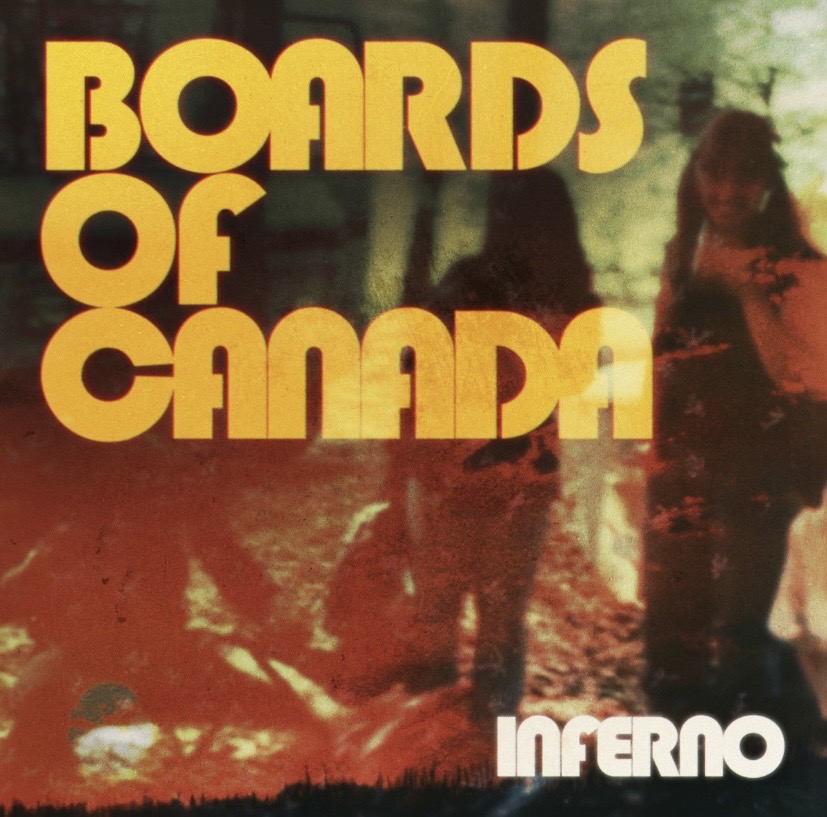
Album Review: Boards of Canada – Inferno

Rating: 9/10

Boards of Canada having a large gap in between albums isn’t exactly out of the ordinary, but 13 years? That’s a long time. A lot of us were starting to wonder if we were going to hear from the Scottish duo again, and if so, would it be necessary? Do we need a new Boards of Canada album? Considering their impressive discography of music laced with nostalgia, soaked in retro synths, and rich in ambient atmospherics, the two already have an iconic body of work under their belts. The already mysterious and reclusive duo could have disappeared from the music world completely, which would have added to their mystique, and even though most of us would want to hear new music from the two, this would have been a fitting bow out, but 13 years after their album Tomorrow’s Harvest, it’s evident the duo have more to give, and my God they’ve gifted us with one of their most captivating, hypnotic, and thematically dense albums yet. The album is titled Inferno, and opens with the track “Introit,” which takes its name from the opening of a worship service that’s usually a psalm, hymn, or chant, and the familiar synth arpeggio featured on the track immediately transports us to a world we’ve missed. I liken it to the feeling I had when I saw the opening crawl to Star Wars: The Force Awakens in theaters, but unlike The Force Awakens, what follows this intro is enthralling content. After the familiar sound in “Introit” fades away, we’re immediately introduced to a reinvented Boards of Canada. Sure their signature style is still there, but that sense of childlike wonder and dreamy Retro-futurism takes a back seat while eerie soundscapes, moodiness, and haunting vocal samples are front and center, and I mean it when I say these vocal samples are haunting. Packed with themes such as religion, religious cults, existentialism, and biology, this album perfectly utilizes vocal samples taken from documentaries about the effects of PCP, a conversation between a father and his son who has cut off his entire family to join the “Children of God” cult, Aleister Crowley quotes, a documentary about the development of a chicken embryo, and references to Nostradamus, and this all perfectly gets the duo’s point across without them having to say a word. However, is their point really that clear? Sure they want us to take something away from this album, or else they wouldn’t have made this thing so dense, but I’ve seen countless heady reviews of this album from people claiming with certainty that this album is a critique of religion and religious cult leaders who prey on the vulnerable, or that this is their way of commenting on how our uncertainty on the meaning of life and why we’re here has spawned so many philosophers and religions who try to give us answers on why we’re here and what happens after we die, and the dangers that come with certain religions, and though this is likely what they’re getting at, there’s one thing a lot of people are neglecting to mention when describing this album, and that’s nostalgia. Nostalgia is a word often associated with Boards of Canada. From the children’s TV show and speak and spell samples on Music Has the Right to Children, to the capturing of the feeling you get when you watch your favorite video nasty on Tomorrow’s Harvest, it’s been very clear that retro media has made a lasting impact on the duo, and contrary to popular belief, I don’t think that nostalgia is absent on Inferno. Remember those televangelists your grandparents used to watch? Those frightening red-faced crazy-eyed men who would yell at you through the TV screen? Remember those old documentaries about morbid cult tragedies? Remember all the history we’ve learned about violence and unnecessary wars that were brought on by fundamental religious beliefs? Remember satanic panic? These are all things that are engraved in the history of humanity, and one of the most popular mediums used to teach this history is media, so I don’t think it’s a stretch to say the boys from BOC have nostalgia for these things. That love for retro media is perfectly combined with the overall themes of this record. There’s no telling if there’s going to be another Boards of Canada record after this one, and when that’ll be if there is, but if this is their final album it’s an interesting album to end on, considering it’s their darkest work by far. Maybe that’s where they’re at mentally when viewing the current state of the world, because these are truly frightening times. Christian fundamentalists and conspiracy theorists are currently in the White House, educational programming has been replaced with short-form content online spreading misinformation, and all of these current wars have left many of us anxious and frightened, so it’s no surprise that an album like this would be released in this day and age, but a common theme that prevents this album from being complete doom and gloom is the theme of life itself. From the EKG machine sounds on “Memory Death,” to the heartbeat on the closing track “I Saw Through Platonia,” the preciousness of life is beautifully symbolized, and this reminds us to value life while we can, and though it may seem impossible at times, it’s important to find beauty in the chaos. 

Written By: Steven Sandoval
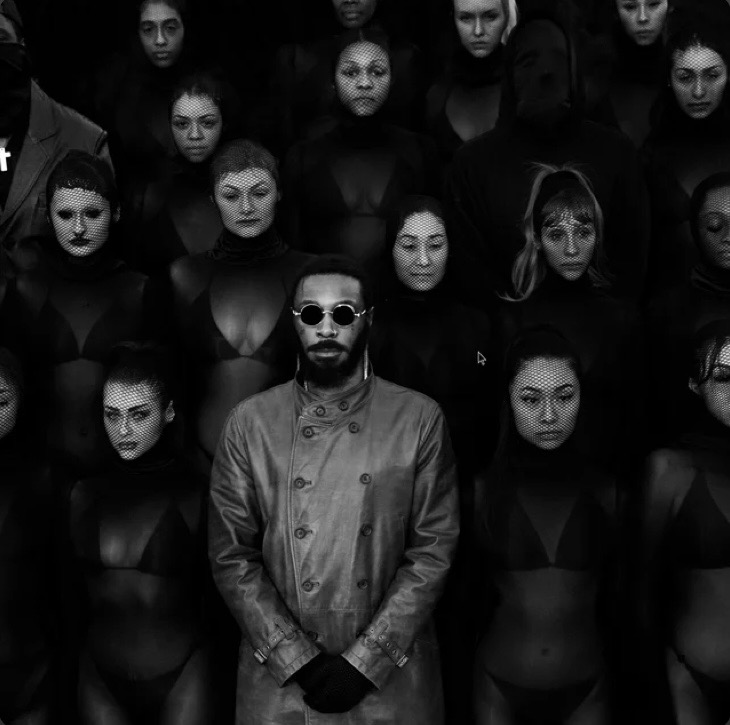
Album Review: JPEGMAFIA – EXPERIMENTAL RAP

Rating: 6/10

If JPEGMAFIA’s mission was to solidify his status as the torchbearer for Experimental Hip Hop with his new album Experimental Rap, then mission accomplished. In a world where the majority of current Hip Hop is stale and predictable, Peggy champions the idea of being different musically and pushing the envelope, but being six albums in now, his unconventional approach is to be expected, which deems his music predictable. However, that predictability isn’t necessarily a bad thing, because the music market isn’t exactly saturated with people making the same kind of discombobulating noisily radical music he makes, which makes him one of a kind. Peggy is aware of his status as the face of Experimental Hip Hop, and he embraces it, but that embracement is a detriment to this album. These songs sound more caught up in the idea of being experimental and unconventional to the point where much of the interesting instrumental ideas sound unfinished and not fully fleshed out. It’s just a bunch of ideas thrown together to sound as abrasive as possible, and normally that sort of thing sounds incredibly innovative in Peggy’s music, but unfortunately this comes across as a gimmick at this point. A lot of songs have an underwhelming beat switch, Brostep elements that are 15 years too late, and the same rapid-fire flow in damn near every song which gets boring very quickly. Which is a shame because there was a time when every word Peggy spit cut like a knife and you truly felt the aggression, jabs at internet culture, and shots at racist conservatives and performative liberals alike. Those lyrical themes have not left his music, but they unfortunately take a back seat to overly messy directionless instrumentals. JPEGMAFIA is capable of creating some truly inspired and unique music, but when the alternative to predictable music becomes predictable itself, then it’s time to switch things up. 

Written By: Steven Sandoval


Album Review: Portrayal of Guilt – …Beginning of the End

Rating: 8/10

It’s nice seeing barriers being broken in the current Metal community thanks to younger bands daring to blend differing genres and incorporate outside influences. Along with this forward thinking approach, comes the re-evaluation of a genre like Nu-Metal, particularly “Korn.” There was a time when liking a band like Korn was considered uncool amongst Metal elitists. Even during the bands chart-topping glory, there were those who dismissed the band and simply believed they were not “real Metal.” Now, we have a whole generation of young Metal fans who reject rigid views and gatekeeping, and it’s glorious. Korn’s influence is now celebrated and referenced sonically in the music of bands like “Chat Pile,” “Code Orange,” and Austin, Texas band “Portrayal of Guilt.” Fearlessly blending genres such as Screamo, Black Metal, Sludge Metal, Emoviolence and Noise Rock, Portrayal of Guilt have been gifting us abrasive and chaotic music rich in tumultuous blast beats, sludgy guitar riffs, heavily distorted bass, and shrieking vocals since 2017, and yet, with their distinct sound established, the band still manages to reinvent themselves with every album, which prevents their sound from slipping into monotony. On their new album …Beginning of the End, the band find themselves reinventing their sound once again, incorporating just the right amount of genres such as Nu-Metal, Trip Hop, and Industrial, to create more cinematically bleak soundscapes that echo some of the best 90’s gems like “Nine Inch Nails” or the “Spawn” soundtrack. Seriously, the track “Ecstasy” sounds like the band went back in time to 1997 to collab with “The Dust Brothers.” The track “Chamber of Misery Pt. IV” features a Trap-style verse from rapper Slim Guerilla, and “God Will Never Hear Me” is a slow but brooding track with a nightmarish ambience, which perfectly executes an unpredictable, but very “Portrayal of Guilt” experience, and that’s what makes this album work so well. The band never fully emulates a specific genre, but instead mixes various genres not often associated with the band, all while maintaining their usual harsh sound. Now, where does Korn come into play with all of this? Well, Portrayal of Guilt’s vocalist/guitarist Matt King has been very vocal about his love for Korn, and …Beginning of the End can be considered a continuation of the unique and innovative sound of those early Korn records. I mean, let’s face it, aside from a handful of good Nu-Metal bands that left a revolutionary mark on the genre, Korn unintentionally inspired A LOT of really bad imitators in the 90’s and early 2000’s, but in an alternate universe where more good than bad came from Korn’s mark, …Beginning of the End is the natural progression of what Korn pioneered. Oh why couldn’t we hear this stuff instead of “Last Resort” back in the late 90’s? Better 32 years late than never I guess. Whether it be the early Blackened Hardcore of Portrayal of Guilt’s early records, the Gothic-tinged sludge of Christfucker, or this new direction of Nu-Metal combined with Hellish Black Metal, it is certain that Portrayal of Guilt will continue to make whatever the Hell they feel like making, and the band happen to be very good at it. 

Written By: Steven Sandoval

Album Review: Eaves Wilder – Little Miss Sunshine

Rating: 8/10

Being a musician trying to make it in this day and age can be a discouraging process. The internet is so over saturated with countless artists trying to get their music out there that it’s easy for one’s music to slip through the cracks. I can attest to that, I’m a musician with 2 monthly listeners on Spotify. This can be disheartening, but the best thing to do is to just keep going. London musician Eaves Wilder experienced this at a very young age. Following the release of her 2023 E.P. Hookey, she considered quitting music altogether, so she stepped back and waited until she found her voice to begin making music again. Now, after a period of writer’s block and an existential crisis, Wilder has returned with her long-awaited debut album Little Miss Sunshine. This album is a prime example of why you shouldn’t rush creativity, because you can tell there was much time and effort put into it. Being more true to herself and her personal music influences, as opposed to succumbing to the pressure of making a hit, Wilder crafts a perfect amalgamation of guitar-driven Alternative Rock, Power Pop melodies, and lush vocals, and this album uncompromisingly drives us through her vulnerability, but all while maintaining a powerful feminist spirit. The track “Just Say No!” highlights the importance of setting boundaries to protect oneself from being taken advantage of, “Mountain Sized” is a self-reflective track that finds Wilder questioning her role or purpose as she tries to navigate young adulthood, and “Ropeburn” is about cutting off toxic people and re-evaluating personal relationships, which all leads to an introspective experience that can resonate with just about anyone, but if this album has an anthem that perfectly summarizes the entire record, it most certainly would be “Everybody Talks.” I haven’t heard a song that perfectly captures the feeling of wanting everyone to shut the fuck up like this one in a very long time, and in a world where people are constantly spewing out their unprovoked opinions and arguing online, this is an important track to hear. It can also be an anthem for introverts. This song takes me back to that lost feeling I had when I was a young introvert trying to navigate life in a society that favors the extroverted. Themes such as these are what makes good genuine music, and if you have the songwriting ability to back it up like Wilder has, your music will move a lot of people. Little Miss Sunshine is an astonishing debut that will resonate with many. 

Written By: Steven Sandoval

Album Review: TOMORA – COME CLOSER

Rating: 7/10

Unlikely musical collaborations can sometimes be the most pleasant surprises, and in the case of Electronic supergroup “TOMORA,” two artists from two completely different worlds come together to create some enticing dance music. After appearing on various festival lineups, the identities of “TOMORA” were a mystery, until the group was officially announced in late 2025. The duo consists of Tom Rowlands of the iconic Electronic duo “The Chemical Brothers,” and Norwegian singer/songwriter Aurora Aksnes. Together the two have released their debut album COME CLOSER, and this album has some irresistible tracks. The melding of the duo’s differing styles works quite well. Tom Rowlands’ input is noticeable as he incorporates elements of Big Beat, Techno and Breakbeat, all genres often associated with “The Chemical Brothers,” and this is cleverly combined with AURORA’s brand of ethereal Art-Pop, which creates a cinematic and beautifully dramatic atmosphere as we the listeners dance our asses off. However, being 55 minutes in length, this album could’ve been a more solid release had the fat been trimmed. Not all these songs work. The album is at its best when the high-energy and more upbeat tracks hit. “RING THE ALARM” is a riotous banger that uncompromisingly attacks the listener with obnoxious, but rather catchy intensity, “SOMEWHERE ELSE” is a dancey and euphoric earworm, and “I DRINK THE LIGHT” is a dreamy tune that sounds straight out of the late 90’s or early 2000’s, but the more downtempo tracks are a bit drab and unimaginative, and when the excitement wears off, the comedown is hard. Which is frustrating because the duo is capable of crafting a good slowed-down tune. “A BOY LIKE YOU” is a hauntingly moody Trip-Hop track that absolutely needs to be featured in a movie or a movie trailer, but most of the album’s slower tracks lack that engaging style. This album isn’t perfect, but it has more good than bad, and it’s always a pleasant experience when two worlds collide in a way that works. 

Written By: Steven Sandoval

Album Review: Katie Alice Greer – Perfect Woman Sound Machine, Vol. 1

Rating: 8/10

About 4 years ago vocalist/producer Katie Alice Greer released a very forward thinking debut album that combined Art Pop, Experimental Rock, Post-Industrial and a myriad of different sounds and styles that don’t normally work together, but somehow worked on this record. This album, which is titled Barbarism, is still unlike anything I’ve heard in music before. It’s filled with Hellish and at times, dreamy soundscapes that give the listener a nightmarish experience, but all while maintaining a sense of comfort, and providing a place for those of us fearful of the direction the U.S. is heading in a place to vent. Now, 4 years later, times are even scarier, and Katie Alice Greer has released her sophomore album Perfect Woman Sound Machine, Vol. 1. This album is no less forward thinking, with its fantastic sound collages and layers, but this album is even more all over the place in the best way possible. Jumping from the grungy Babes in Toyland-esque “Unglued,” to the Trip Hop influenced tracks which wouldn’t sound out of place on a “Tricky” record, to the stellar cover of Leonard Cohen’s “I’m Your Man,” this album is pure chaos, but a necessary chaos as it goes from lush and dreamy, to the soundtrack to the apocalypse as KAG conveys a myriad of emotions. Hey, people experience various emotions and the human brain is multifaceted, so why shouldn’t music reflect that? It’s impressive what sounds KAG can create, which is more experimental in nature and a massive departure from her former Post-Punk band “Priests,” who were fantastic by the way, I still listen to The Seduction of Kansas regularly. Judging from the album’s title, I’m assuming there will be a Vol. 2, and if that’s the case I cannot wait to hear it! 

Written By: Steven Sandoval

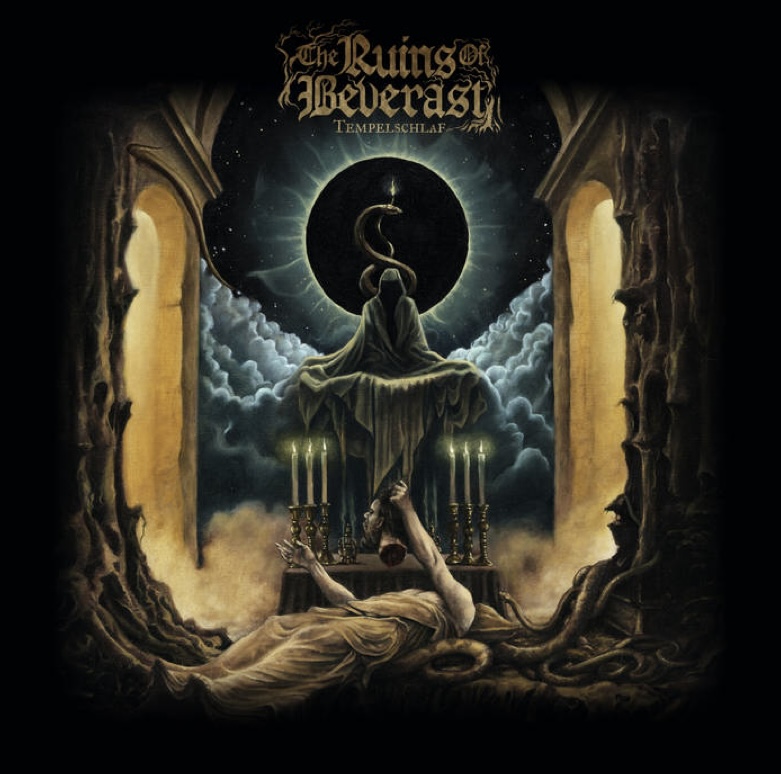
Album Review: The Ruins of Beverast – Tempelschlaf

Artist: The Ruins of Beverast

Album: Tempelschlaf

Genre: Black Metal/Doom Metal/Gothic Metal/Death Doom

Label: Ván Records

Rating: 7/10

I’m just gonna start this review by admitting that I am a part time metalhead. I love me some Metal but I am picky. If the Metal starts off with kickass demonic I need an exorcism ass guttural growls and then transitions into the cleanest and prettiest vocals you’ve ever heard I’ve lost interest. If the Metal relies too heavily on shredding it just sounds like the Power Rangers theme song to me and I can’t help but think it’s morphin’ time, and some stuff (I’m not gonna name any subgenres) just gets a little monotonous after awhile. Um, if I haven’t pissed you off by now and you’re still reading this… well, if you’re a metalhead you’re probably not reading this anyway…. actually let’s be honest, no one is reading this… wait where was I? Oh yeah, allow me to introduce you to the kind of Metal that hits every note and strikes every fancy for me, THE RUINS OF FUCKING BEVERAST! “Fucking” isn’t actually in their name but you get the point. Lead by sole songwriter Alexander von Meilanwald, “The Ruins of Beverast” is a hard to categorize project with a myriad of genres such as Black Metal, Doom Metal, Gothic Metal, Death Doom, and Atmospheric Black Metal to their name, and yet none of these genres are a definitive category for the band’s sound. Whether it be the the Gothic-tinged Doom combined with shamanism of their album Exuvia, or the reverb soaked atmospheric and at times psychedelic dark and sinister journey of an album like The Thule Grimoires, it’s clear Alexander von Meilanwald has no intention to pigeonhole himself and every intention to experiment. His new album Tempelschlaf is no exception. Continuing with the epic and grandiose nature of the aforementioned albums, Tempelschlaf is a more refined album dialing back the atmospherics in favor of more precise instrumentation less focused on odd time signatures and more focused on direct heavy riffs and continuous blast beats, which I feel this was done to focus on the live aspect of these songs by stripping back the studio wizardry. This direction unfortunately makes this album the band’s least ambitious release, but it’s still a solid installment in their discography with plenty to enjoy. There’s even some shredding, and thank God it doesn’t sound like the Power Rangers theme. 

Written By: Steven Sandoval