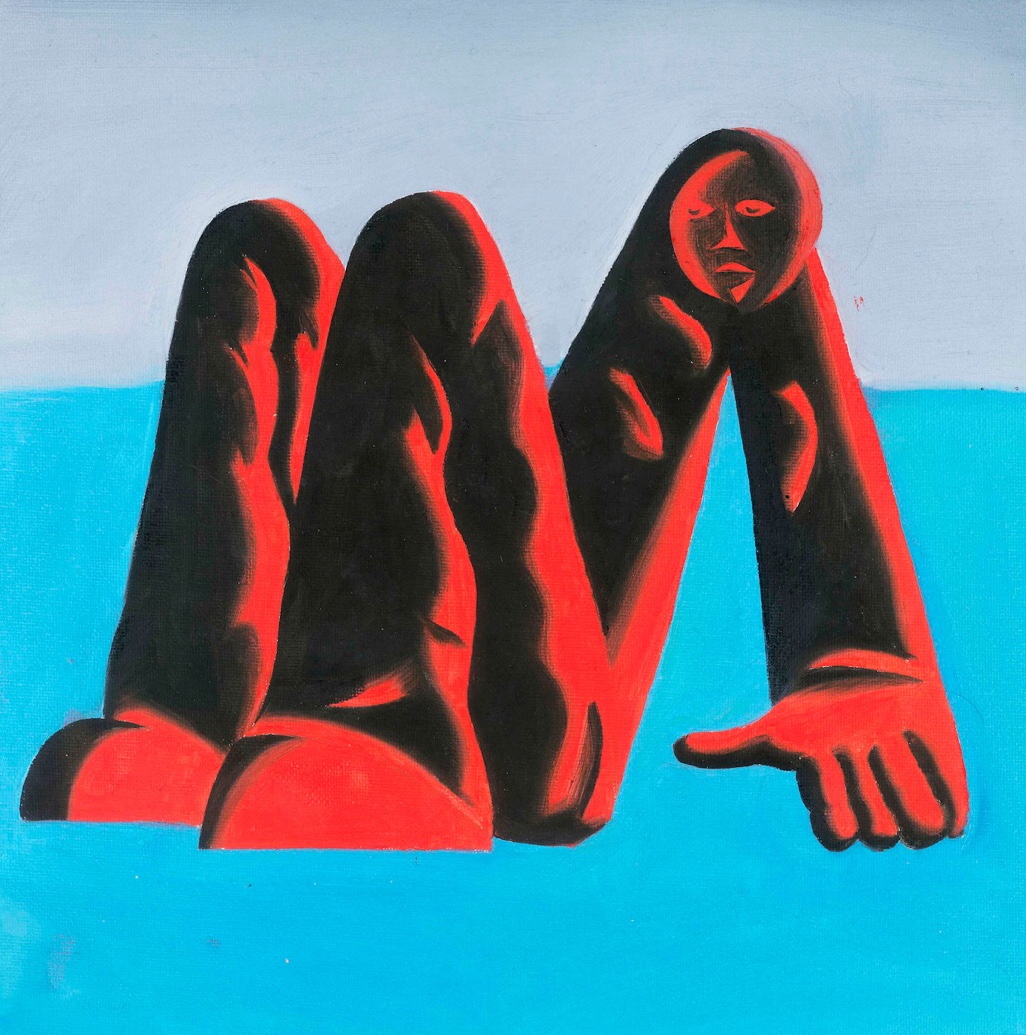


Album Review: Katie Alice Greer – Perfect Woman Sound Machine, Vol. 1

Rating: 8/10

About 4 years ago vocalist/producer Katie Alice Greer released a very forward thinking debut album that combined Art Pop, Experimental Rock, Post-Industrial and a myriad of different sounds and styles that don’t normally work together, but somehow worked on this record. This album, which is titled Barbarism, is still unlike anything I’ve heard in music before. It’s filled with Hellish and at times, dreamy soundscapes that give the listener a nightmarish experience, but all while maintaining a sense of comfort, and providing a place for those of us fearful of the direction the U.S. is heading in a place to vent. Now, 4 years later, times are even scarier, and Katie Alice Greer has released her sophomore album Perfect Woman Sound Machine, Vol. 1. This album is no less forward thinking, with its fantastic sound collages and layers, but this album is even more all over the place in the best way possible. Jumping from the grungy Babes in Toyland-esque “Unglued,” to the Trip Hop influenced tracks which wouldn’t sound out of place on a “Tricky” record, to the stellar cover of Leonard Cohen’s “I’m Your Man,” this album is pure chaos, but a necessary chaos as it goes from lush and dreamy, to the soundtrack to the apocalypse as KAG conveys a myriad of emotions. Hey, people experience various emotions and the human brain is multifaceted, so why shouldn’t music reflect that? It’s impressive what sounds KAG can create, which is more experimental in nature and a massive departure from her former Post-Punk band “Priests,” who were fantastic by the way, I still listen to The Seduction of Kansas regularly. Judging from the album’s title, I’m assuming there will be a Vol. 2, and if that’s the case I cannot wait to hear it! 

Written By: Steven Sandoval
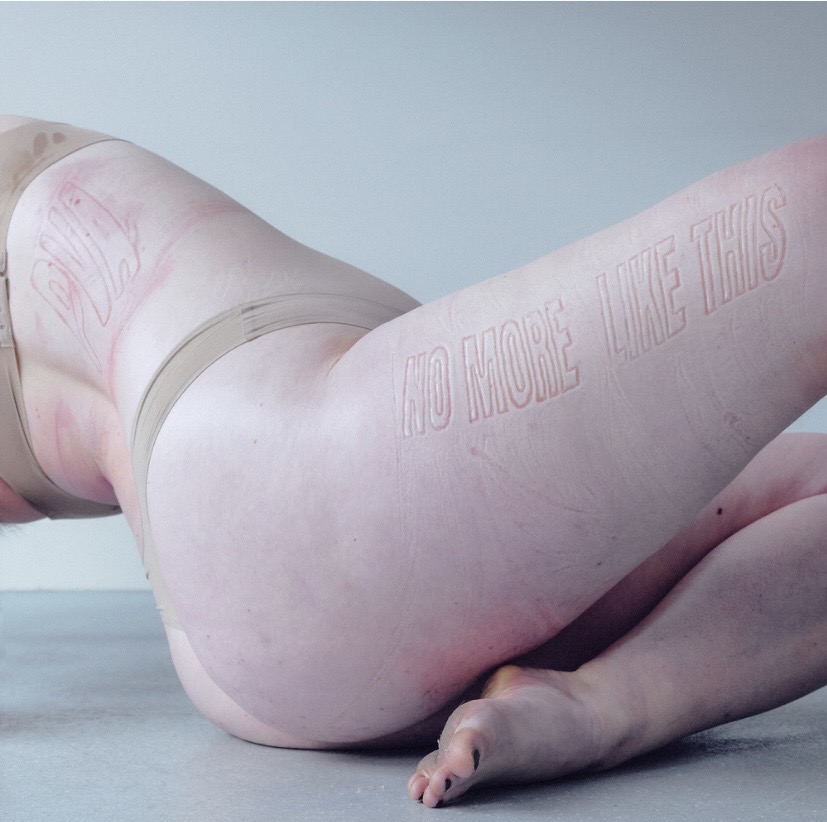
Album Review: PVA – More Like This

Artist: PVA

Album: More Like This

Genre: Trip Hop/EBM/Synthpop

Label: It’s All For Fun

Rating: 7/10

Four years after their debut album BLUSH, London trio and Windmill scene affiliates “PVA” have returned with their second full-length album No More Like This, and it’s a more developed version of the Industrial-tinged post-club sound featured on BLUSH with instrumentation more focused on making you feel than making you dance. The Downtempo and Trip Hop elements complimented by lead singer Ella Harris’ deadpan almost spoken word vocals bring to mind a band like Massive Attack. This album is rhythmic, atmospheric and somber in tone with a heavy emphasis on either consistent instrumental repetition or instrumentation that builds and builds but maintains a steady flow instead of bursting out into an all out dance party. However, with how brilliantly produced these tracks are, I feel like much of this album would be complimented more if the vocals didn’t always sound deadpan and carried the same weight and emotion as the instrumentation. The talk singing makes sense during the album’s more anti-melodic moments, but there’s some tracks with dreamy synth lines that just feel a bit underwhelming when contrasted with Harris’ subdued vocals. The track “Anger Song” finds Harris giving us a more passionate and luscious vocal delivery which at times frustrates me that the album doesn’t feature more of that, but even with that critique the album is still an enjoyable listen, and it’s interesting hearing the direction all the Windmill alumni are going in. 

Written By: Steven Sandoval

Album Review: King Krule – Man Alive!

5FABE27B-C501-438D-ABB1-83BDF8393364

Artist: King Krule 

Album: Man Alive!

Genre: Art Rock/Post-Punk/Jazz

Label: True Panther Sounds/XL Recordings/Matador 

Rating: 9/10

When going into a King Krule album you can always expect to be emotionally and mentally exhausted when coming out of the album, and I mean that in the kindest way possible. Archy Marshall under the “King Krule” moniker has had quite the evolution in recent years. Going from his early Jazz-oriented sound to his smooth Trip-Hop style of his music under his real name Archy Marshall to 2017’s critically acclaimed The OOZ, one thing has remained certain, Marshall will always wear his heart on his sleeve and be uncompromisingly honest, resonating with countless people whom find solace in his moody introspective reflections and worldview, people including myself, but that doesn’t exempt him from criticism. As a matter of fact, I was quite critical of his last album The OOZ. Though the album featured some of his best work, it was frustratingly bloated and extensive, and would have been a more solid and cohesive effort had he trimmed the fat. The length and unfinished filler tracks that littered that album are what keeps me from listening to the album in it’s entirety whenever I revisit it, but where that album faltered, Marshall took those misfires and improved them immensely on his new album Man Alive! This album is a massive improvement and has a reasonable length. Marshall continues to experiment with the abstract, the genre blends of Post-Punk, Jazz, and Hip Hop, and his lyrics are as introspective and poetic as ever. Following the birth of his son, Marshall is naturally in a different spot in life right now, which explains the more optimistic tone that combats much of the album’s despondence. For those moments where Marshall delves into the pains of solitude, he carries a light of hope. The blend of saxophone-driven Jazz but not your Father’s Jazz and artistic Post-Punk with Marshall’s rough and gruff vocals is what we’ve come to expect at this point, but where much of the tracks that found him going in that direction on The OOZ sounded like unfinished vignettes, that sound is perfectly honed and fully-fleshed out on Man Alive! and like I said earlier, this album is filled with introspection, poetry, and swagger that evokes the same cool spirit of artists like Tom Waits or Nick Cave. Lyrically the album deals with themes of losing connection with people, solitude, the state of our technology-driven world, addiction, and most importantly, the love he feels for his partner and his newborn son. That’s where the optimism lies, and it’s nice to see Marshall acknowledging the light after much acknowledgement of the melancholy. This is by far his best work.

Written By: Steven Sandoval